Veteran Information
Branch of Service: U.S. Army
Description
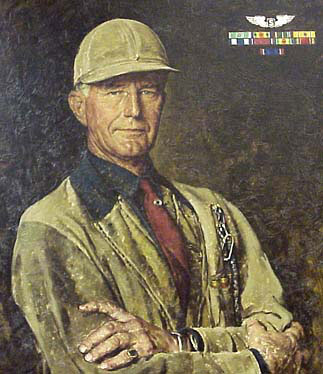
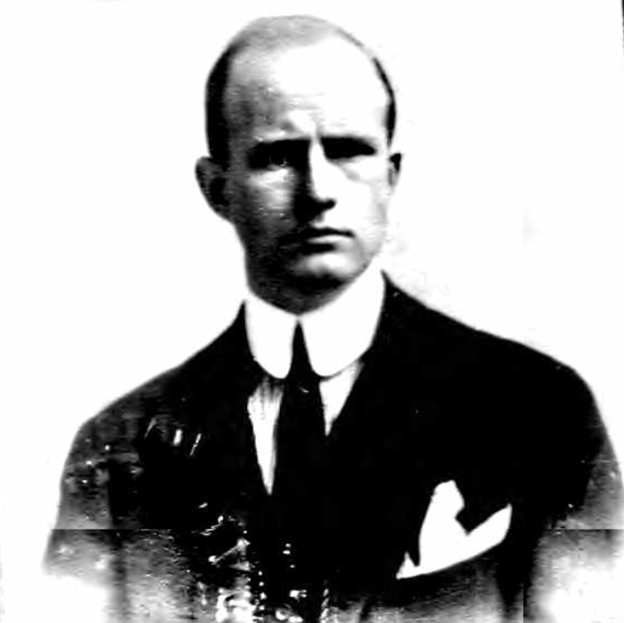
 Henry Fairfax Ayres
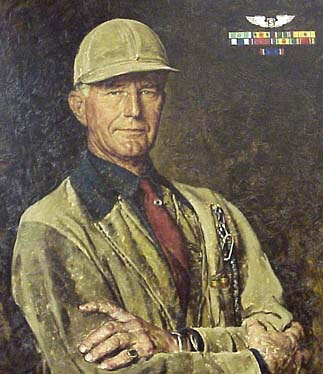
About the portrait: This oil portrait of VMI alumnus Henry Fairfax Ayres (Class of 1906, non-graduate) was painted by Norman Rockwell. The original is owned by the Virginia Military Institute and is located in Preston Library. Rockwell, a friend of the Ayres family, completed the painting in 1941 as a personal favor to the family. Colonel Ayres donated the original to VMI in 1968.
Henry Fairfax Ayres was born on April 23, 1886, in Leesburg, Virginia, at Oak Hill in Aldie, the former home of President James Monroe. He was the son of Colonel Charles Greenlief Ayres and Elizabeth Fairfax Ayres, and the grandson of Major General Romeyn Beck Ayres of the Union Army. His maternal grandfather, Colonel John Walter Fairfax, served on the Confederate side, placing him within a family deeply connected to both sides of the Civil War.
His lineage extended into early American history; a seventh great-grandfather, Sergeant John Ayres, was killed in 1675 while serving as a selectman in Brookfield, Massachusetts. As a child, Ayres spent time in a cavalry camp at Wounded Knee, where his father had served, giving him early exposure to military life. He entered the Virginia Military Institute in 1902 and later transferred to the United States Military Academy at West Point, graduating in 1908, where he distinguished himself in athletics including football and fencing. After graduation, he resigned from the Army in 1908 and entered private industry, working in manufacturing and later in management positions in New York. By the years leading up to World War I, he had established himself professionally and maintained strong ties to New York and Westchester including residence in Rye.
 World War I Service
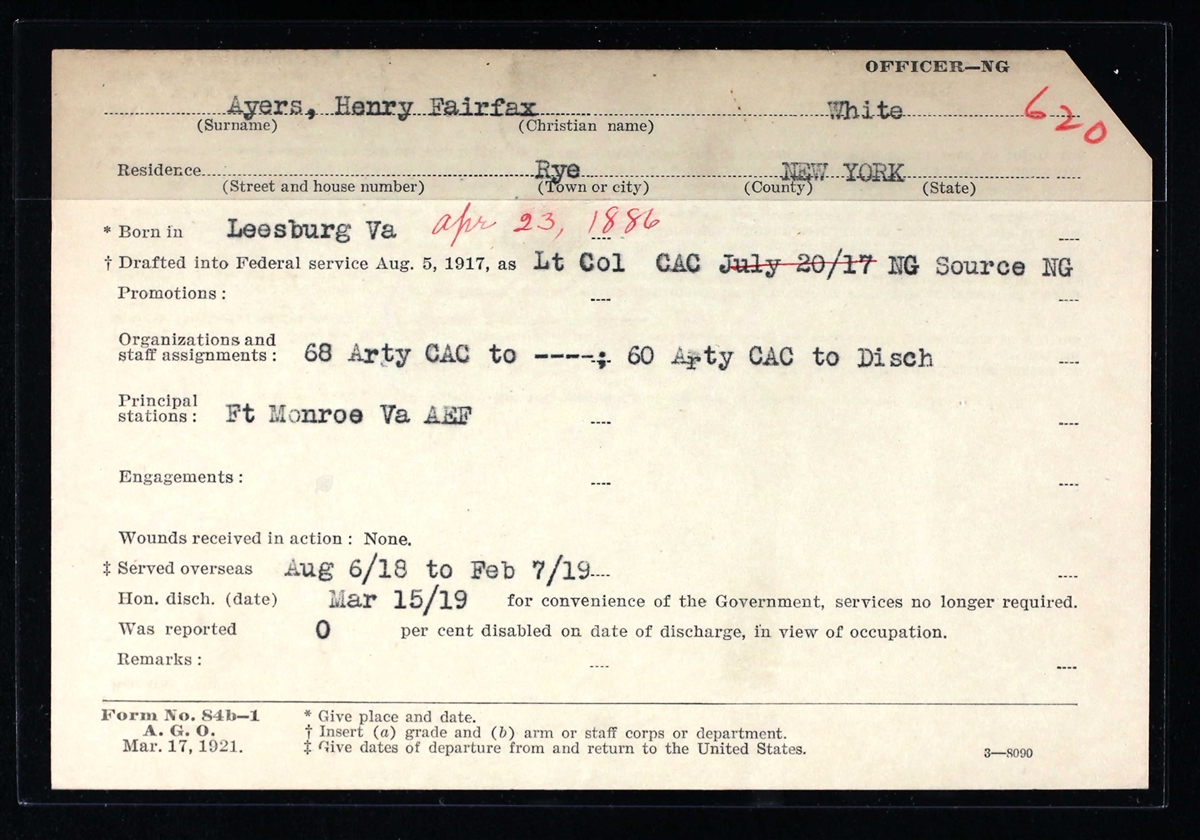
 With the expansion of the Army following the United States’ entry into World War I, Ayres was drafted into Federal service on August 5, 1917, having already entered service on July 20, 1917, as a Lieutenant Colonel in the Coast Artillery Corps, serving from the National Guard. He was assigned to artillery units including the 68th Artillery, Coast Artillery Corps, and later the 60th Artillery, Coast Artillery Corps, reflecting responsibility within heavy artillery formations supporting American operations overseas.
He trained and was stationed at Fort Monroe, Virginia, one of the Army’s principal artillery and coastal defense installations, before deployment with the American Expeditionary Forces to France. He served overseas from August 6, 1918, to February 7, 1919, during the decisive final phase of the war and into the immediate post-Armistice period.
 During his service in France, Ayres operated in sectors associated with the Argonne Forest, part of the broader Meuse-Argonne Offensive, the largest American-led campaign of the war aimed at breaking German defensive lines and forcing a general retreat. He also served in coordination with French forces, including operations with corps-level formations east of the Meuse River, where artillery units provided essential fire support under difficult combat conditions.
For his conduct under fire, he was cited for gallantry in action, reflecting distinguished service in one of the most intense and strategically important campaigns of the war. His record indicates that he sustained no wounds in action. He returned to the United States in March 1919 and was honorably discharged on March 15, 1919, for the convenience of the government, with no disability reported.
Life After Service
Following World War I, Ayres returned to civilian life and became president of the Navy Gear Manufacturing Company in Port Chester, New York, from 1919 to 1922, later working as a securities broker in Rye. In 1937, he relocated to Shaftsbury, Vermont, where he developed a second career in agriculture and invention, particularly in maple sugar production, creating several widely used devices including the hydrotherm.
He became active in civic and regional affairs, serving as a charter member of the Bennington County Regional Commission and contributing to agricultural policy through the Vermont Sugarmakers Association. He was also a Master Mason and a member of veterans’ organizations including the Veterans of Foreign Wars and the American Legion.
During World War II, he returned to military service as a Colonel in the United States Army Air Forces, overseeing the convoying of aircraft and crews to both European and Pacific theaters. He served in New Guinea and later in Italy, earning a Commendation Ribbon and three Battle Stars, and was injured during a patrol torpedo boat mission in 1945 before retiring from service.
Henry Fairfax Ayres died in 1979 at the age of 92.
At the time of his death, he was survived by his wife, Mary Elizabeth Sherman Ayres; his son, Henry F. Ayres Jr. of Greenwich, Connecticut; one grandson; a nephew; and several cousins.
Record Commentary: Significantly strengthened record with integration of official service card data, including Coast Artillery Corps assignments, Fort Monroe training, and precise overseas dates. WWI narrative now fully aligned with documented units while maintaining high-level campaign context. Excellent balance of technical accuracy and narrative quality.
Tier Rating: A+

EXPLORE MORE VETERANS
BASSETT, JOHN E.
Read moreMALONEY, THOMAS F.
Read moreHouston, Helene
Read more