
Veteran Information
Date of Birth: June 5 1884
Date of Death: Oct 23 1938
Address: Hilltop Place Rye NY
Branch of Service: U.S. Army
Service Number: 104th Field Artillery Regiment 27th Division; Squadron A 1st Cavalry NYNG
Description

 George B. Gibbons
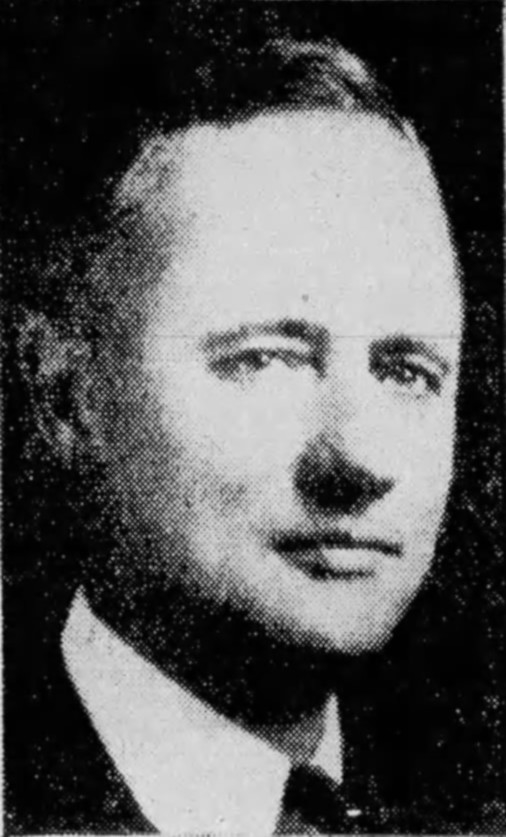
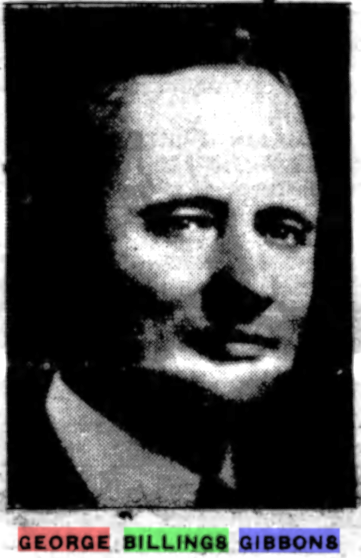
George Billings Gibbons was born on June 5, 1884, in Detroit, Michigan, the son of Robert Tilden Gibbons and Ella Wendell. He came to New York early in life and established himself in the financial district, eventually becoming a prominent municipal bond broker and financial adviser.
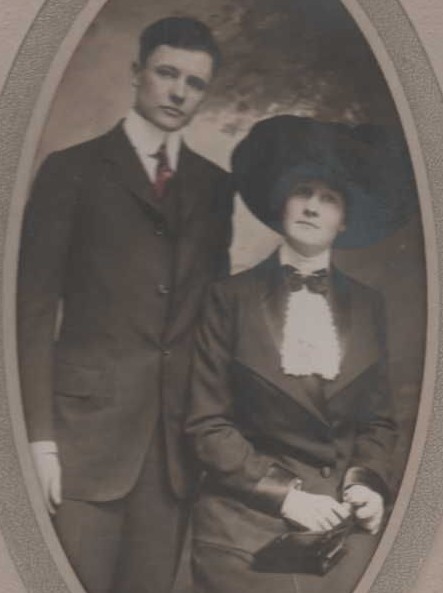
Gibbons married Marion Brown on March 25, 1911, in New Rochelle, New York. They had three children: Marion B. “Gibbie” Gibbons, George Billings Gibbons Jr., and Margaret “Peggy” Gibbons. Their youngest daughter died in 1927 at the age of eleven.
Although not a native of Rye, Gibbons became closely identified with Westchester County. After living in New Rochelle and Harrison, he eventually settled in Rye, where his professional expertise and civic involvement made him a respected figure in the community.
World War I Service
 Gibbons had an extensive military background before America’s entry into World War I. He joined Squadron A of the 1st Cavalry, New York National Guard, before transferring to the Field Artillery. He served as a captain and commanded Battery F of the 1st Field Artillery, New York National Guard.
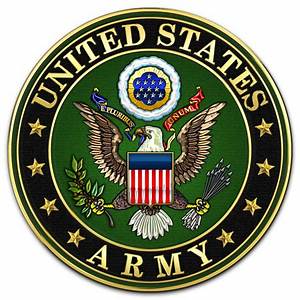
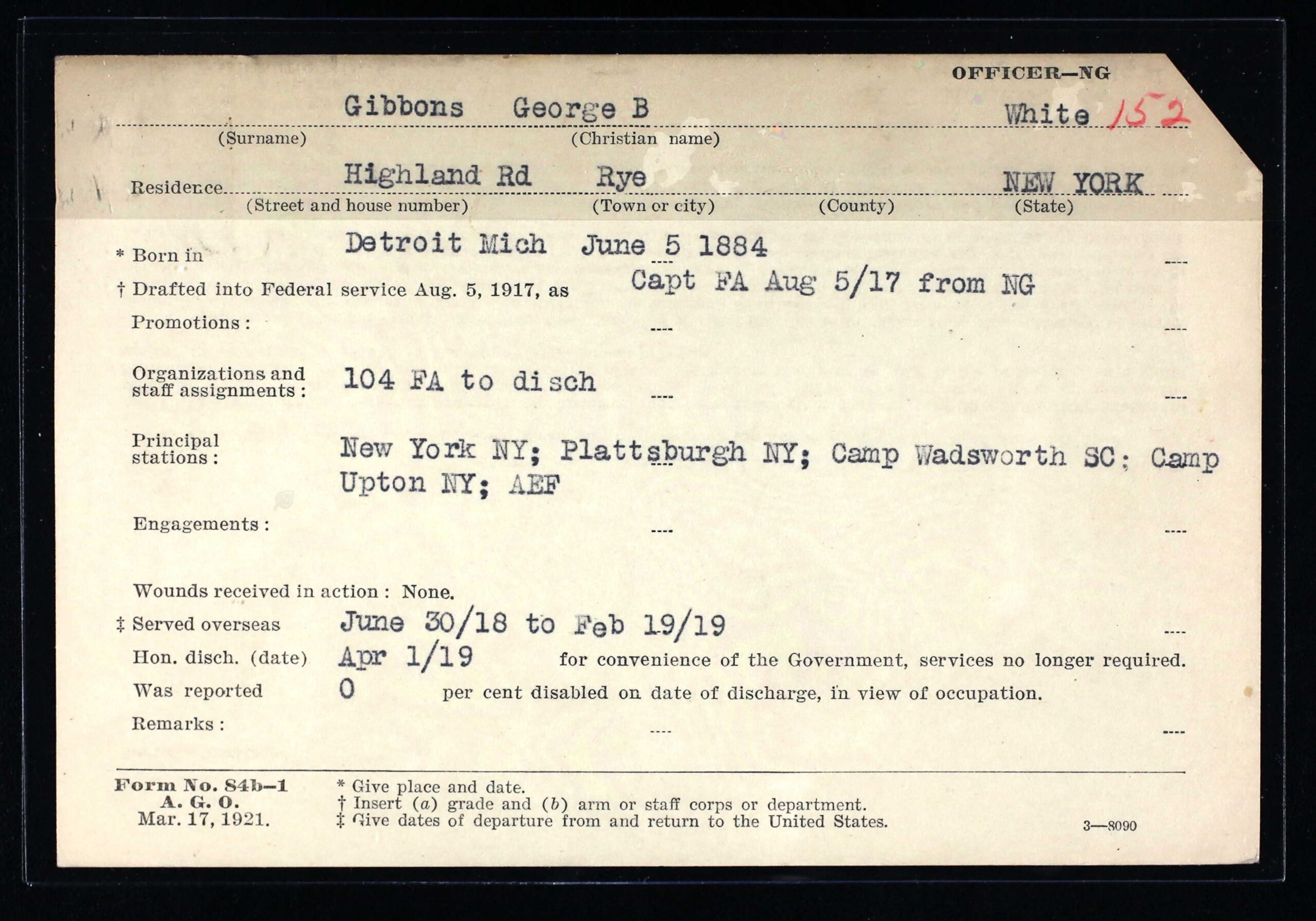
In 1916, Gibbons served on the Mexican border during the National Guard mobilization in response to unrest along the United States-Mexico border. Following the federalization of the New York National Guard, he was drafted into federal service on August 5, 1917, as a Captain in the Field Artillery.
He was assigned to the 104th Field Artillery Regiment, part of the 27th Division, the New York National Guard division known as the “New York Division.” Before departing overseas, Gibbons was stationed in New York, Plattsburgh, New York, Camp Wadsworth in Spartanburg, South Carolina, and Camp Upton, New York. At Camp Wadsworth, he was placed in charge of the Divisional Artillery Officers’ Training School.
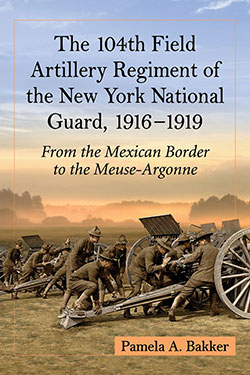 Gibbons served overseas with the American Expeditionary Forces from June 30, 1918, to February 19, 1919. The 104th Field Artillery was part of the 52nd Field Artillery Brigade, which provided artillery support during major operations in France, including Saint-Mihiel and Meuse-Argonne. The brigade’s artillery units were assigned to support other American divisions during much of their service overseas.
 According to his wartime newspaper account, Gibbons served with distinction in operations around Verdun and other sectors of the Western Front. He also served as aide-de-camp to Major General John F. O’Ryan, commander of the 27th Division. His military record reports no wounds received in action. He was honorably discharged on April 1, 1919, when his services were no longer required by the government.
Life After Service
Following the war, Gibbons returned to his financial career and became one of the country’s recognized authorities on municipal finance. He founded and served as senior partner of George B. Gibbons & Co., a prominent municipal bond brokerage firm located at 49 Wall Street in New York City. His firm handled bond issues for Port Chester, the Town of Rye, Rye Village, Harrison, and numerous other Westchester communities.
His knowledge of municipal finances extended well beyond the bond market. During a period when tax collection difficulties and financial pressures had placed several Westchester cities and villages on the verge of default, Gibbons became a key member of a committee organized by then-Supreme Court Justice William F. Bleakley to find a solution. His recommendations were adopted, and he served as a consultant to the Port Chester Village Board. His advice helped the community overcome its financial difficulties.
A contemporary editorial praised Gibbons for his remarkable understanding of municipal affairs, describing his knowledge of local governments, political organizations, and community leaders as exceptional. It noted that he frequently offered honest advice even when doing so might cost him profitable business. His professional reputation rested not only on financial expertise, but also on his integrity and willingness to serve the public interest.
Gibbons was also active in community life and had a lifelong enthusiasm for yachting. From 1930 to 1932, he served as Commodore of the American Yacht Club in Rye.
His military associates remembered him with equal admiration. During World War I, he had earned the affection and respect of the men who served under his command. A memorial editorial described him as an “ideal officer” and a “soldier’s soldier,” reflecting the esteem in which he was held by his fellow servicemen.
Gibbons married Marion Brown of Pelham on March 25, 1911. They had three children: Marion B. “Gibbie” Gibbons, George Billings Gibbons Jr., and Margaret “Peggy” Gibbons, who died in 1927 at the age of eleven.
George Billings Gibbons died on October 23, 1938, at his home on Hilltop Place in Rye, at the age of 54. The editorial reported that he had fought failing health for two years with remarkable courage. His funeral was conducted privately, in keeping with the simplicity and lack of ostentation that had characterized his life.
At the time of his death, he was survived by his wife, Marion Brown Gibbons; his daughter, Marion B. Gibbons, Mrs. Miller P. Longbotham; and his son, George Billings Gibbons Jr., both of Rye.
Summary & Legacy
George Billings Gibbons left a legacy of leadership and public service that extended from the battlefields of France to the municipal communities of Westchester County. As a captain in the 104th Field Artillery of the 27th Division, he earned the admiration and enduring respect of the men who served under him. After the war, he became a nationally recognized authority on municipal finance, using his expertise to help communities including Rye and Port Chester navigate serious financial difficulties.
His professional accomplishments were matched by a reputation for integrity, sound judgment, and an uncommon willingness to put public interests ahead of personal profit. Remembered by his military associates as an exemplary officer and by his civilian colleagues as a trusted adviser, Gibbons embodied a lifetime of leadership and service. His story is a reminder that the contributions of Rye’s veterans did not end when they returned home; many continued serving their communities in significant ways.

Veteran History & Research Links
World War I Military Record
SEARCH ALL ANCESTRY
RYE CHRONICLE
Copy and Search for: "George B. Gibbons" Rye NY Chronicle - When searching, consider taking out middle initial, this can improve results in some cases.
(PLEASE READ THESE IMPORTANT INSTRUCTIONS BEFORE SEARCHING FULTON HISTORY FOR NEWPAPER ARTICLES)
Previous Search Results for this veteran may be listed below
