The United States Marine Corps earned a legendary reputation during the Korean War. The Rye veterans featured within this section served as members of a force whose courage, discipline, and determination became synonymous with some of the war’s most difficult campaigns.
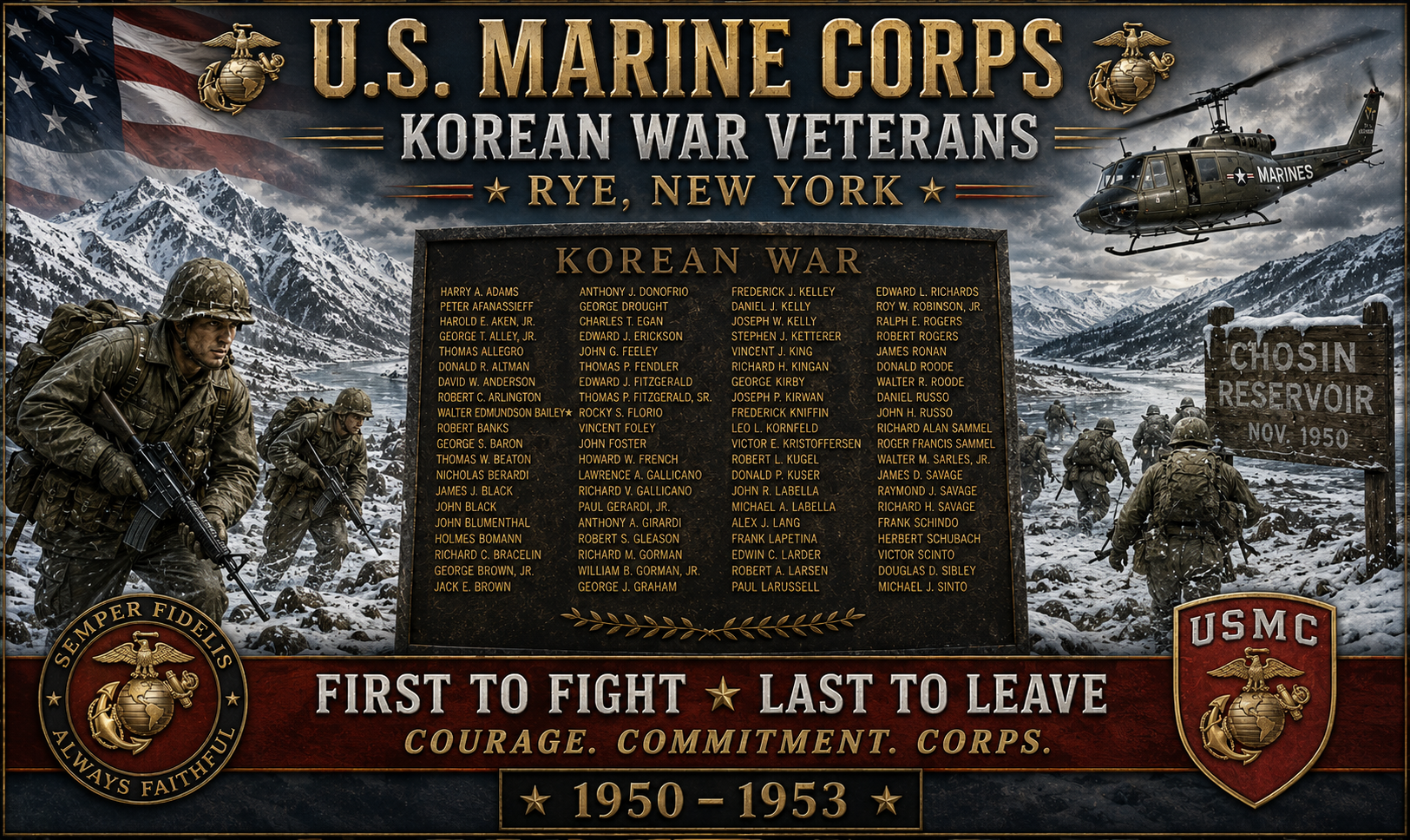
When war broke out on the Korean Peninsula in June 1950, Marine units were among the first American forces called upon to respond. Throughout the conflict, Marines would participate in some of the most famous operations of the war, earning a reputation for effectiveness under the most demanding battlefield conditions.
Marine veterans from Rye served during a conflict defined by rugged mountains, bitter winter weather, and rapidly changing front lines. Whether serving in combat units, aviation squadrons, logistics organizations, communications units, or support elements, they contributed to a proud tradition of Marine Corps service that stretches back to the founding of the nation.
Among the most famous Marine operations of the Korean War was the landing at Inchon in September 1950. This daring amphibious assault helped reverse the course of the war and remains one of the most successful amphibious operations in military history. Marine units would later participate in the advance into North Korea and the brutal fighting that followed Chinese intervention.
No battle is more closely associated with the Marine Corps in Korea than the Chosin Reservoir Campaign. Faced with overwhelming enemy forces, extreme cold, and difficult terrain, Marines fought their way out of encirclement while maintaining unit cohesion and bringing their wounded with them. The campaign became one of the defining moments in Marine Corps history and remains a powerful symbol of determination under adversity.
Marine aviation also played an important role during the conflict. Pilots flew close air support missions, reconnaissance flights, transport operations, and combat patrols in support of ground forces. Their efforts helped establish many of the air-ground tactics that would later be employed during future conflicts.
The veterans represented within this section came from every part of the Rye community. They were students, athletes, workers, neighbors, and family members whose lives were interrupted by military service. Like generations of Marines before and after them, they accepted difficult assignments and performed them with distinction.
Every veteran featured in this section is commemorated on Rye’s Korean War Memorial. Some biographies contain extensive military records and personal histories, while others remain works in progress as additional information continues to emerge through research.
The purpose of RyeVets is not simply to record military service, but to preserve the stories of the individuals who served. Through photographs, newspaper articles, yearbooks, military records, and family contributions, we continue working to ensure that these veterans are remembered as more than names on a memorial.
From Inchon to Chosin.
From the mountains of Korea to the communities they returned home to serve.
The Marines of Rye upheld the Corps’ proud tradition of honor, courage, and commitment.
We welcome assistance from family members, historians, neighbors, and community members who may possess photographs, military records, newspaper articles, letters, or personal memories relating to these veterans.
If you have information that can help improve a biography, please contact us at info@ryevets.org or use the Write A Review link located at the bottom of each veteran’s page.
Showing all 26 results
-

Arlington, Robert C.
Read more -
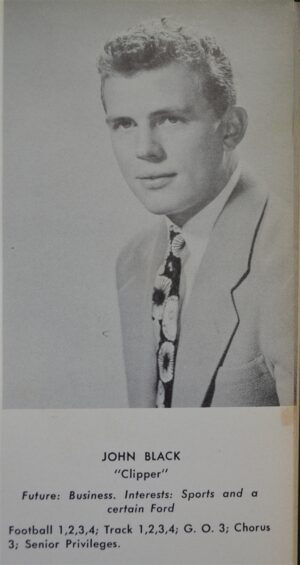
Black, John
Read more -
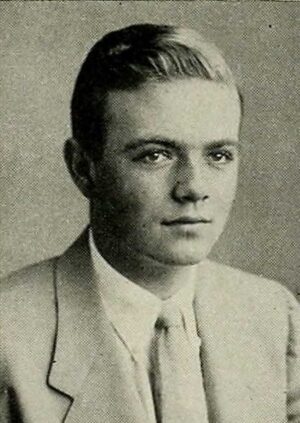
Bomann, Holmes
Read more -
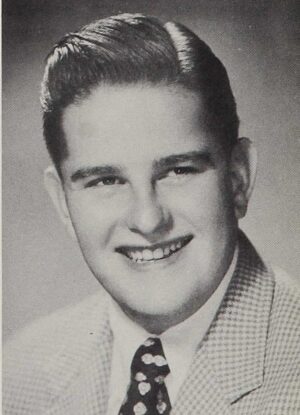
Brown, George Jr.
Read more -
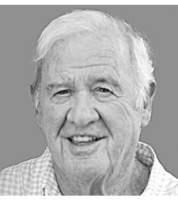
Butler, Thomas A.
Read more -
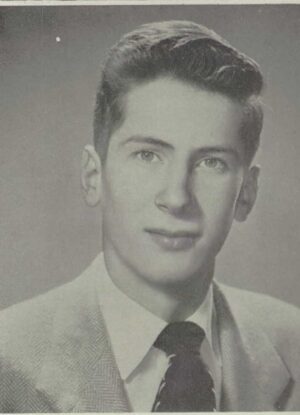
Clay, Robert E.
Read more -
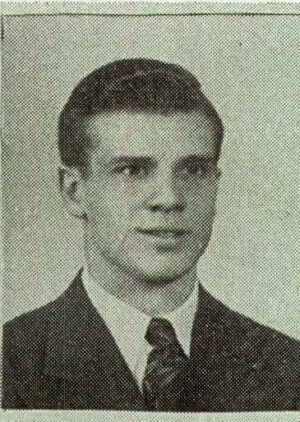
Coshal, Richard
Read more -

Decarlo, Joseph F.
Read more -

Donald E.. King
Read more -
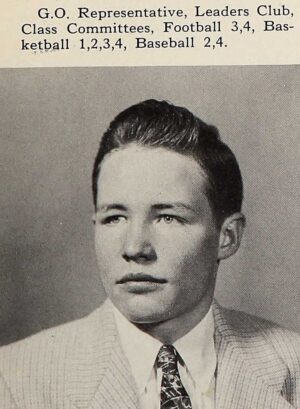
Gleason, Robert S.
Read more -

Gorman, William B. Jr.
Read more -
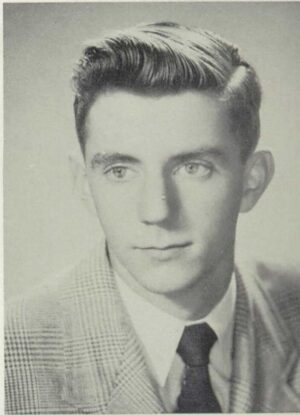
Harvey, William H. Jr.
Read more -
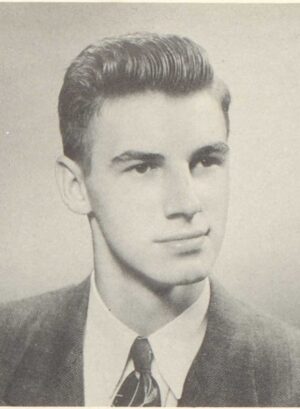
King, Vincent J.
Read more -
Kingan, Richard H.
Read more -

Labella, Michael A.
Read more -
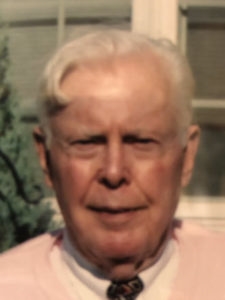
Larsen, Robert A.
Read more -

Lufkin, Dan W.
Read more -
Marino, Richard R.
Read more -

Milligan, John J. Jr.
Read more -
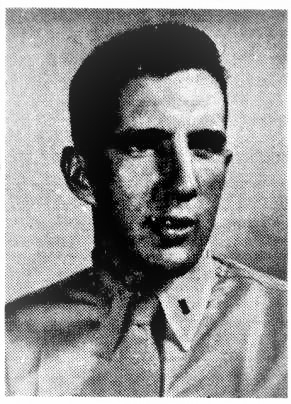
O’Neil, R. Gerard
Read more -
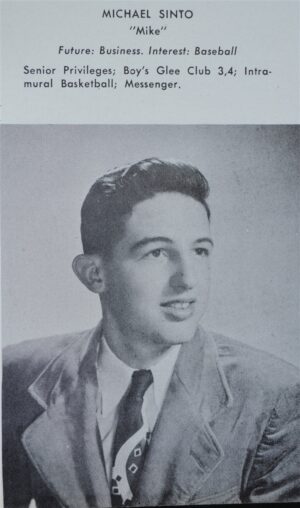
Sinto, Michael J.
Read more -

Slater, Vincent
Read more -
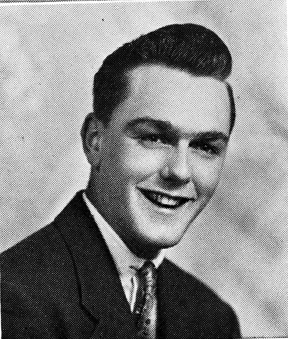
Spencer, Bradley A.
Read more -
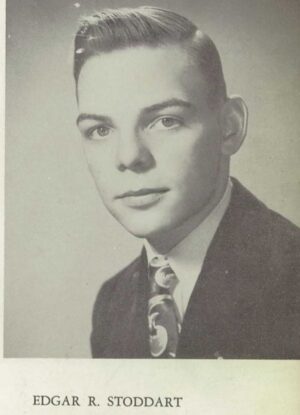
Stoddart, Edgar
Read more -
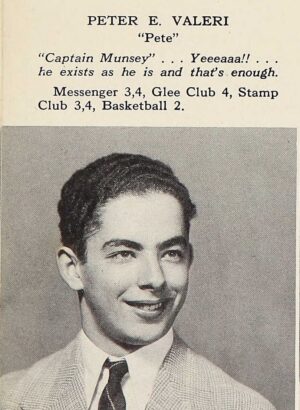
Valeri, Peter G.
Read more -
Wilson, Robert G. Jr.
Read more
